
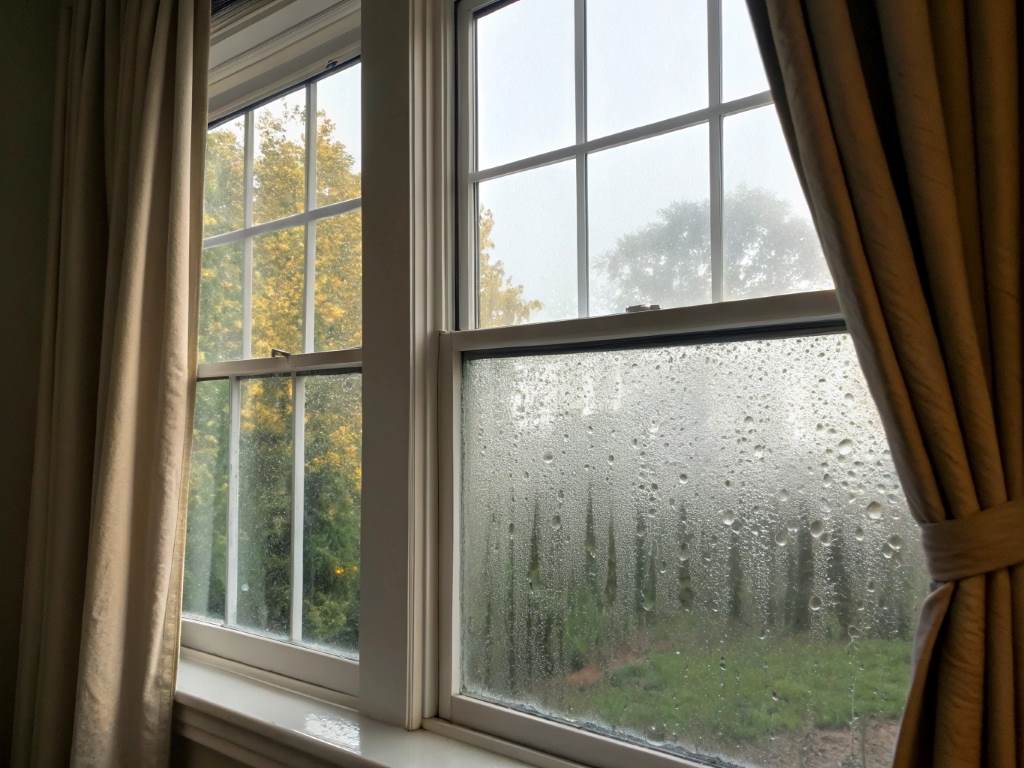
Last winter, I woke to a breathtaking but troubling sight: my Pella windows, usually crystal-clear, were cloaked in fog and frost. The condensation wasn’t just an eyesore; it hinted at deeper issues with humidity and window performance. As a homeowner, I felt frustrated, wondering how to restore my windows’ clarity without breaking the bank. Condensation on Pella window panes in winter is a common problem, especially in colder climates, where warm indoor air meets chilly glass. According to the Environmental Protection Agency, indoor humidity levels above 60% can trigger condensation, mold, and even structural damage. This blog post shares my journey to clear windows, offering practical, research-backed solutions to help you tackle this issue. Let’s dive into actionable tips to keep your Pella windows fog-free and your home comfortable all winter long.
Understanding Condensation: Why It Happens
Condensation occurs when warm, moist air hits a cold surface, like your Pella window panes, turning vapor into water droplets. In winter, indoor heating creates warm, humid air, while outdoor temperatures chill the glass. This temperature clash is the culprit behind foggy windows. The U.S. Department of Energy notes that homes with poor ventilation can see humidity levels rise by 20% during winter, worsening condensation. Pella windows, known for their energy efficiency, often seal tightly, trapping moisture indoors. However, if condensation forms between panes, it signals a seal failure, which requires professional attention. My own experience taught me that identifying where condensation appears—inside, outside, or between panes—is key to finding the right fix. By understanding these causes, you can take targeted steps to reduce moisture and protect your windows from damage like mold or frame warping.
Check Your Indoor Humidity Levels
High indoor humidity is a major driver of window condensation. The EPA recommends keeping relative humidity between 30% and 50% in winter to prevent moisture buildup. I learned this the hard way when my hygrometer revealed my home’s humidity was a staggering 65%. To manage humidity, invest in a hygrometer, available at most home improvement stores for $10–$20. These devices measure moisture levels, helping you decide when to act. If humidity is high, use a dehumidifier to extract excess moisture. Consumer Reports suggests portable dehumidifiers can reduce humidity by 10–15% in small spaces. Additionally, avoid drying clothes indoors or leaving plants near windows, as both release moisture. By monitoring and controlling humidity, you can significantly cut down on condensation, keeping your Pella windows clear and your home healthier. This is especially important if you have modern flooring, as excessive moisture can also affect its appearance and longevity.
Improve Air Circulation Around Windows
Poor air circulation traps humid air against cold window panes, fueling condensation. I noticed my windows fogged up most near heavy curtains that blocked airflow. To fix this, try these steps:
- Open window treatments: Pull back curtains or raise blinds to let air move freely.
- Use ceiling fans: Run fans clockwise on low to push warm air down, reducing moisture buildup.
- Crack windows briefly: If weather permits, open windows for 10–15 minutes to release trapped moisture.
According to Pella’s condensation guide, proper air circulation can reduce interior condensation by up to 20%. When I started using a ceiling fan and keeping curtains open, the fog on my windows cleared within days. Ensure vents and radiators aren’t blocked by furniture, as this restricts airflow. These simple changes improve ventilation, prevent moisture from settling, and keep your Pella windows free of condensation all winter.
Use Exhaust Fans and Ventilation
Kitchens and bathrooms are humidity hotspots due to cooking and showering. Without proper ventilation, moist air spreads, settling on your Pella windows. The National Institute of Building Sciences reports that exhaust fans can reduce indoor humidity by 15–20% when used consistently. Always run bathroom fans for 15–20 minutes after showering and kitchen fans while cooking. I made it a habit to keep lids on pots and turn on the range hood, which cut down on steam. Additionally, ensure exhaust fans vent directly outside, not into attics or crawlspaces, to avoid redirecting moisture. If your home lacks fans, consider installing them or using portable ones. Regular use of ventilation systems keeps humidity in check, protecting your windows and preventing issues like mold growth.
Inspect and Maintain Window Seals

Condensation between Pella window panes often indicates a failed seal, allowing moisture to seep into the insulated glass unit. Pella’s warranty typically covers seal failures for 20 years, so check your documentation. In my case, one window showed fog between panes, and a quick call to Pella’s service line confirmed a seal issue. They replaced the pane under warranty, saving me hundreds. Regularly inspect seals and gaskets for cracks or gaps, especially on older windows. If you spot damage, contact Pella at (877) 473-5527 or visit their support page for a service request. For Designer Series windows with hinged panels, ensure latches are secure and gaskets are intact. Proper maintenance prevents costly repairs and keeps your windows energy-efficient, reducing condensation risks.
Consider Energy-Efficient Upgrades
If condensation persists, upgrading to energy-efficient Pella windows can help. Modern Pella windows with Low-E coatings and argon gas fillings reduce heat transfer, keeping glass surfaces warmer. The Department of Energy states that Low-E windows can cut heat loss by 30–50%, minimizing condensation. I upgraded one problematic window to a triple-pane model, and the difference was night and day—no more fog, even on the coldest days. While costly, energy-efficient windows lower utility bills and may qualify for tax credits. Visit EnergyStar.gov for details on eligible products. If replacement isn’t feasible, apply window insulation film as a budget-friendly alternative. These upgrades improve performance, reduce condensation, and enhance your home’s comfort.
Temporary Fixes for Quick Relief
For immediate condensation relief, try these quick fixes while addressing root causes:
- Wipe windows daily: Use a soft cloth or squeegee to remove moisture and prevent mold.
- Place moisture absorbers: Silica gel packets or water snakes near windows soak up excess humidity.
- Increase heat near windows: Point warm air ducts toward windows to raise glass temperature.
These steps helped me manage condensation during a particularly humid week. However, they’re not long-term solutions. The Building Research Establishment notes that untreated condensation can lead to a 10% increase in mold risk over time. Combine these fixes with humidity control and ventilation for lasting results. Regular maintenance ensures your clean hazy windows remain clear and functional, protecting your home from moisture-related damage.
When to Call a Professional
Persistent condensation, especially between panes, often requires professional intervention. If you notice fog that won’t wipe off, it’s likely a seal failure. Pella’s support team can assess and replace faulty panes, often under warranty. For complex issues like high humidity or structural damage, consult a heating and air conditioning specialist. I hesitated to call a pro, thinking I could fix it myself, but their expertise saved me time and money. The Glass Doctor estimates that replacing a single pane costs $200–$400, far less than a full window replacement. Don’t delay—untreated condensation can lead to mold or frame damage, costing thousands to repair. Visit Pella’s support page or call (877) 473-5527 for expert help.
Conclusion
Dealing with condensation on Pella window panes in winter can feel daunting, but with the right steps, you can keep your windows clear and your home cozy. From monitoring humidity to improving ventilation and inspecting seals, these solutions address the root causes of fog and frost. My journey from foggy windows to a clear view taught me the value of proactive maintenance and timely upgrades. By following these tips, you can protect your Pella windows and avoid costly repairs. Have you faced condensation issues? Share your story in the comments or pass this guide to someone battling foggy windows. Let’s keep our homes warm and our views crystal-clear this winter!
FAQs
Why does condensation form on my Pella windows in winter?
Condensation forms when warm, moist indoor air meets cold window panes, creating water droplets. High humidity and poor ventilation worsen the issue.
How can I tell if my window seal has failed?
If condensation appears between panes and won’t wipe off, it’s likely a seal failure. Contact Pella for a professional assessment.
Are dehumidifiers effective for reducing window condensation?
Yes, dehumidifiers lower indoor humidity by 10–15%, reducing condensation. Use one in high-moisture areas like kitchens or bathrooms.
Can I fix condensation between panes myself?
No, condensation between panes requires professional repair or pane replacement due to a failed seal. Call Pella for support.
Are energy-efficient windows worth the investment?
Yes, Low-E and triple-pane windows reduce condensation and cut heat loss by 30–50%, saving on energy bills and improving comfort.