
The landscape of work has undergone a seismic shift, with the home office solidifying its position as a central hub for productivity, creativity, and professional fulfillment. As we gaze towards 2025, it’s clear that the home office is not just a temporary solution but a permanent fixture in the modern work paradigm. This evolution is driven by technological advancements, changing employee expectations, and a growing emphasis on work-life balance. To stay ahead of the curve, it’s essential to understand the emerging trends shaping the home office of tomorrow.
-
The Rise of the Biophilic Home Office: Bringing Nature Indoors
In 2025, expect to see a significant surge in biophilic design within home offices. This trend focuses on integrating natural elements into the workspace to enhance well-being and productivity. Think living walls, indoor plants strategically placed to purify air and reduce stress, and the incorporation of natural materials like wood, stone, and bamboo. Beyond aesthetics, biophilic design aims to reconnect us with nature, fostering a sense of calm and focus. Studies have shown that exposure to natural light and greenery can improve mood, reduce fatigue, and boost cognitive function. Expect to see ergonomic furniture crafted from sustainable wood, sound-absorbing moss panels, and even small indoor water features becoming commonplace.
-
Immersive Technology and the Metaverse Workspace:
While fully realized metaverse workspaces might still be a few years away. 2025 will see the integration of immersive technologies like augmented reality (AR) and virtual reality (VR) into home office setups. AR glasses could overlay digital information onto the real world, allowing for seamless multitasking and enhanced collaboration. Imagine attending a virtual meeting with colleagues from around the globe, with lifelike avatars interacting in a shared digital space. VR headsets could transport you to immersive training simulations or virtual brainstorming sessions, breaking down geographical barriers and fostering a sense of presence. Expect to see dedicated VR/AR zones within home offices, equipped with comfortable seating, powerful computers, and high-speed internet connections.
-
The Smart Home Office Ecosystem: Automation and Integration
The smart home office will become increasingly interconnected, with automation playing a crucial role in optimizing productivity and comfort. Smart lighting systems will adjust brightness and color temperature based on the time of day and user preferences, promoting alertness and reducing eye strain. Also smart thermostats will maintain optimal temperature and humidity levels, ensuring a comfortable working environment. Smart desks will automatically adjust height to promote ergonomic posture, and smart speakers will provide voice-activated access to calendars, to-do lists, and other productivity tools. Expect to see seamless integration between different smart devices, creating a cohesive and intuitive home office ecosystem. This will also include sophisticated cybersecurity measures to protect sensitive data.
-
The Modular and Adaptable Home Office: Flexibility and Customization
The traditional fixed-layout home office will give way to modular and adaptable designs. This trend reflects the evolving nature of work, with individuals needing spaces that can easily transition between different tasks and activities. Modular furniture systems. Such as adjustable desks, movable partitions, and stackable storage units, will allow users to customize their workspace to suit their specific needs.
Expect to see a focus on multi-functional furniture that can serve multiple purposes. Such as a desk that converts into a standing workstation or a storage unit that doubles as a room divider. This adaptability will also extend to the use of flexible lighting solutions. Such as track lighting and adjustable lamps, allowing users to create different moods and atmospheres within their workspace.
-
The Wellness-Focused Home Office: Prioritizing Mental and Physical Health
The importance of well-being in the workplace will continue to grow in 2025, with home offices designed to prioritize mental and physical health. Expect to see dedicated wellness zones within home offices, equipped with yoga mats, meditation cushions, and other tools for relaxation and stress management. Ergonomic furniture will become standard, with adjustable chairs, monitor stands, and keyboard trays designed to prevent musculoskeletal injuries. Natural light and ventilation will be prioritized, and sound-absorbing materials will be used to create a quiet and peaceful working environment. Expect to see the integration of health-tracking technologies, such as smartwatches and fitness trackers, into the home office ecosystem, providing users with personalized insights into their well-being.
-
The Sustainable and Eco-Friendly Home Office: Minimizing Environmental Impact
Sustainability will be a key consideration in the design and furnishing of home offices in 2025. Expect to see a shift towards eco-friendly materials, such as recycled wood, bamboo, and cork, and a focus on energy-efficient appliances and lighting systems. Solar panels and other renewable energy sources may be integrated into home office designs to reduce carbon footprint. Expect to see the adoption of circular economy principles, with furniture and accessories designed for durability and reusability. Companies will offer take-back programs for old office equipment, promoting responsible disposal and recycling.
-
The Personalized and Branded Home Office: Reflecting Individual Style and Company Culture
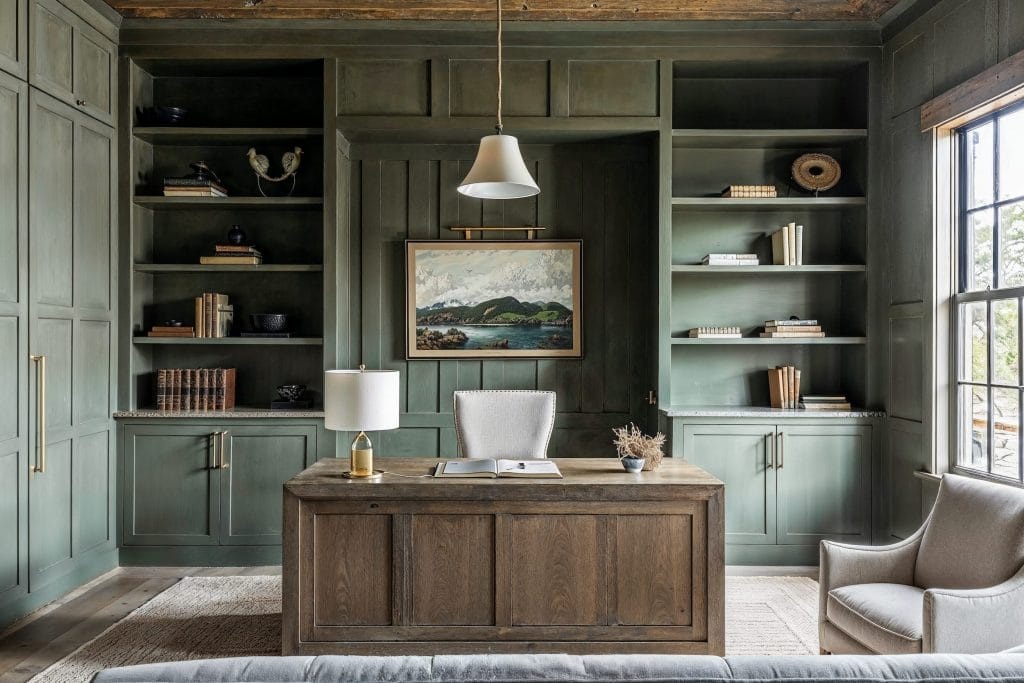
As remote work becomes more prevalent, companies will increasingly focus on creating a sense of connection and belonging among their employees. This will lead to the rise of the personalized and branded home office. Expect to see companies providing employees with branded furniture, accessories, and technology, creating a consistent and cohesive work environment across different locations. Employees will also have the opportunity to personalize their workspaces with personal touches, such as artwork, photos, and plants, reflecting their individual styles and preferences. Expect to see the use of virtual backgrounds and digital avatars to enhance the sense of presence and connection during virtual meetings.
-
The Hybrid Home Office: Blending Work and Personal Life Seamlessly
The lines between work and personal life will continue to blur in 2025, with the hybrid home office designed to seamlessly integrate both aspects. Expect to see multi-functional spaces that can easily transition between work and leisure activities. For example, a home office could double as a guest room or a hobby space. Expect to see the use of flexible scheduling tools and time management techniques to create a healthy work-life balance. Dedicated “transition zones” may be incorporated into home office designs, providing a physical and mental separation between work and personal life.
-
The Enhanced Audio and Video Conferencing Setup:
With remote collaboration becoming the norm, high-quality audio and video conferencing setups will be essential in 2025. Expect to see dedicated video conferencing rooms or booths within home offices, equipped with professional-grade cameras, microphones, and lighting. Noise-canceling headphones and sound-absorbing materials will be used to ensure clear and uninterrupted communication. Expect to see the use of AI-powered video conferencing tools that can automatically adjust camera angles, lighting, and audio levels, creating a more natural and engaging meeting experience.
-
The Subscription-Based Home Office: Flexibility and Affordability
The subscription-based home office model will gain traction in 2025, offering flexibility and affordability for individuals and businesses. Expect to see companies offering subscription packages that include access to furniture, technology, and other home office essentials. This model allows users to easily upgrade or downgrade their home office setup as their needs change. Expect to see the rise of co-working spaces within residential buildings, providing residents with access to shared office facilities and amenities.
Related: Creating a Serene Home Office: A Zen-Inspired Guide
People Also Ask (FAQs)
Q: What are the key factors driving the evolution of the home office?
A: The key factors include technological advancements, and changing employee expectations. A growing emphasis on work-life balance, and the increasing prevalence of remote and hybrid work models.
Q: How can I create a biophilic home office?
A: Incorporate natural elements such as indoor plants, natural light, and natural materials like wood and stone.
Q: What are the benefits of a smart home office?
A: Smart home offices offer increased productivity, comfort, and convenience through automation and integration of smart devices.
Q: How can I ensure my home office is ergonomic?
A: Invest in ergonomic furniture, such as adjustable chairs, monitor stands, and keyboard trays, and prioritize proper posture and movement.
Q: What are the best ways to create a sustainable home office?
A: Use eco-friendly materials, prioritize energy efficiency, and adopt circular economy principles.
Q: How can I personalize my home office to reflect my style and company culture?
A: Incorporate personal touches such as artwork and photos, and utilize branded furniture and accessories provided by your company.
Q: What are the advantages of a subscription-based home office?
A: Subscription-based models offer flexibility, affordability, and easy access to home office essentials.
Conclusion:
The home office of 2025 will be a dynamic and personalized space, reflecting the evolving needs of the modern workforce. By embracing these emerging trends, individuals and businesses can create home offices that are not only productive and comfortable but also sustainable and conducive to well-being. The future of work is here, and the home office is at the forefront of this transformation.