
Introduction: Why Sanitizing Cutting Boards Matters
In any kitchen, cutting boards are indispensable tools. They’re where ingredients come together before becoming meals. But what happens when these essential surfaces harbor harmful bacteria like E. coli or Salmonella? According to the Centers for Disease Control and Prevention (CDC), foodborne illnesses affect 48 million Americans annually, with improper sanitation being a leading cause. Sanitizing Kitchen Cutting Boards is therefore a crucial step in preventing the spread of harmful pathogens and ensuring the safety of the food we prepare.
Sanitizing cutting boards isn’t just about cleanliness—it’s about safety. This guide will walk you through the best practices for sanitizing cutting boards , offering actionable advice that balances science-backed methods with practicality. Whether you’re a home cook or a professional chef, this article will equip you with everything you need to know.
Understanding the Risks: What Happens When You Neglect Cutting Board Hygiene
Bacteria and Cross-Contamination
Cutting boards can become breeding grounds for dangerous pathogens if not properly cleaned. Raw meat, poultry, seafood, and even vegetables can leave behind residues that foster bacterial growth. A study published in Food Protection Trends found that improperly sanitized cutting boards had up to 200 times more bacteria than those treated correctly.
Cross-contamination is another major concern. For instance, using the same board for raw chicken and salad greens without sanitizing it first could introduce harmful pathogens into your meal.
Long-Term Consequences
Ignoring cutting board hygiene doesn’t just risk immediate illness; it can damage your reputation as a host or chef. It also shortens the lifespan of your cutting boards due to warping, cracking, or staining caused by persistent grime.
Types of Cutting Boards: Pros & Cons
Before diving into cleaning techniques, let’s examine the most common types of cutting boards and their unique challenges.
Wooden Cutting Boards
Pros:
- Naturally antibacterial properties due to tannins in wood
- Gentle on knives, preserving blade sharpness
- Aesthetic appeal
Cons:
- Can absorb liquids and odors over time
- Requires regular oiling to prevent drying out
Plastic Cutting Boards
Pros:
- Non-porous surface reduces absorption of liquids
- Dishwasher-safe for easy cleaning
- Affordable and widely available
Cons:
- Prone to knife scars, which can trap bacteria
- Less durable than wooden boards
Bamboo Cutting Boards
Pros:
- Eco-friendly and sustainable material
- Harder than traditional wood, resisting knife marks better
- Naturally resistant to water
Cons:
- Can dull knives faster than softer woods
- May crack if not maintained properly
Glass Cutting Boards
Pros:
- Completely non-porous and easy to clean
- Resists stains and odors
Cons:
- Harsh on knives, leading to quicker dulling
- Noisy and slippery during use
Understanding the type of cutting board you own is crucial because different materials require tailored cleaning approaches.
Step-by-Step Guide to Sanitizing Cutting Boards
Step 1: Immediate Cleaning After Use
The golden rule of cutting board hygiene is to clean it immediately after use. Never let food residue sit on the surface for extended periods, as bacteria multiply rapidly at room temperature.
How to Clean:
- Wooden Boards: Scrub with hot soapy water, rinse thoroughly, and pat dry with a clean towel. Avoid soaking wooden boards, as prolonged exposure to water can cause warping.
- Plastic Boards: Wash with dish soap under running water, scrubbing stubborn spots with a brush. These boards can often go straight into the dishwasher for deep cleaning.
Step 2: Disinfecting the Surface
Cleaning removes visible dirt, but disinfection kills invisible germs. Here’s how to do it effectively:
For Wooden Boards:
Apply a solution of one tablespoon of unscented bleach per gallon of water. Let it sit for 5 minutes, then rinse and dry completely. Alternatively, use white vinegar mixed with equal parts water.
For Plastic Boards:
Soak the board in a diluted bleach solution (1 teaspoon per quart of water) for 10 minutes. Rinse thoroughly and air-dry.
Step 3: Deodorizing Stubborn Smells
If your cutting board has absorbed strong odors, try these tricks:
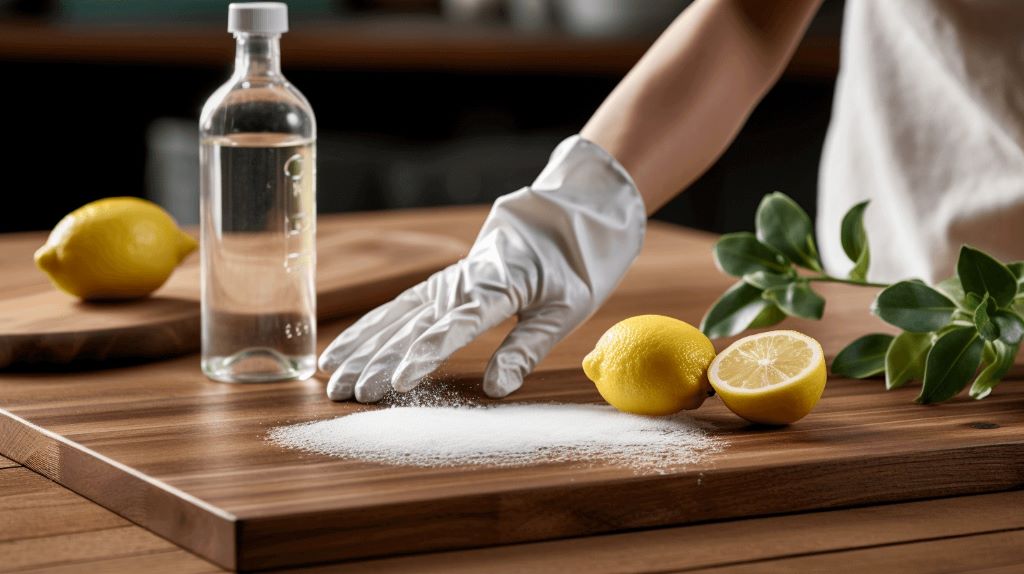
- Sprinkle coarse salt on the surface and rub with half a lemon.
- Make a paste of baking soda and water, apply it to the board, and let it sit for 15 minutes before rinsing.
Advanced Techniques for Deep Cleaning
Using Hydrogen Peroxide
Hydrogen peroxide (3%) is an excellent natural disinfectant. Spray it onto the cutting board, let it foam for a few minutes, then wipe clean. This method is particularly effective against mold and mildew.
Sunlight Sterilization
Ultraviolet (UV) rays from sunlight have natural germicidal properties. Place your cutting board in direct sunlight for a couple of hours to kill bacteria naturally.
DIY Cutting Board Conditioner
For wooden boards, create a conditioner using food-grade mineral oil and beeswax. Apply it monthly to seal the wood and prevent moisture absorption.
Expert Opinions and Scientific Insights
Dr. Benjamin Chapman, a food safety specialist, emphasizes the importance of separating cutting boards for raw meats and produce. “Using color-coded boards or labeling them ensures you minimize cross-contamination risks,” he advises.
A 2020 study in the Journal of Food Safety highlighted that consumers who regularly sanitize their cutting boards report fewer instances of foodborne illnesses compared to those who don’t.
Pros & Cons of Common Sanitization Methods
| Method | Pros | Cons |
| Bleach Solution | Highly effective against bacteria | Strong smell; requires thorough rinsing |
| Vinegar | Natural and eco-friendly | Less effective on tough stains |
| Dishwasher | Convenient and hands-free | Not suitable for wooden boards |
| UV Light Devices | Kills 99.9% of germs | Expensive upfront cost |
Frequently Asked Questions (FAQs)
Q1: How often should I replace my cutting board?
A: Replace plastic boards every 1-2 years or sooner if they develop deep grooves. Wooden boards can last longer but should be replaced if cracked, warped, or heavily stained.
Q2: Can I use vinegar alone to sanitize?
A: Vinegar is effective against some bacteria, but pairing it with hydrogen peroxide or a mild bleach solution ensures better disinfection.
Q3: Is it safe to cut raw meat and vegetables on the same board?
A: No. Always use separate boards or sanitize thoroughly between uses to prevent cross-contamination.
Q4: Can I put my wooden cutting board in the dishwasher?
A: No. Dishwashers can warp and crack wooden boards. Stick to hand-washing with mild soap and conditioning regularly.
Q5: What’s the best way to remove odors from a cutting board?
A: Use a mix of baking soda and water, or rub the board with coarse salt and lemon juice for stubborn smells.
Q6: How do I know if my cutting board is too worn out to use?
A: Look for deep grooves, cracks, or stains that won’t come off. These can trap bacteria and make cleaning ineffective.
Q7: Are bamboo cutting boards better than wood or plastic?
A: Bamboo is durable, eco-friendly, and resists water well, but it may dull knives faster than softer woods.
Q8: Can sunlight really disinfect my cutting board?
A: Yes. UV rays have natural germicidal properties, but ensure the board dries completely afterward to prevent mold.
Q9: Should I use different cutting boards for different foods?
A: Absolutely. Use separate boards for raw meat, cooked food, and produce to avoid cross-contamination.
Q10: How long does it take to sanitize a cutting board with bleach?
A: A diluted bleach solution needs 5-10 minutes of contact time to effectively kill germs. Always rinse thoroughly afterward.
Conclusion: Elevate Your Kitchen Hygiene Game
Sanitizing cutting boards might seem tedious, but it’s a small step with significant rewards. By following the best practices for sanitizing cutting boards , you protect yourself and your loved ones from foodborne illnesses while extending the life of your kitchen tools. Remember, a clean cutting board is the foundation of a healthy kitchen.
Call to Action
Ready to take your kitchen hygiene to the next level? Share this article with fellow cooking enthusiasts and leave a comment below sharing your favorite sanitization tip!
Read More:
Baking Soda: Your Kitchen’s Unsung Cleaning Hero
Where to Store Cleaning Supplies in Your Kitchen: A Comprehensive Guide