
In the world of fine dining, some ingredients are coveted for their flavor, others for their rarity. A select few, however, capture the imagination for possessing both. Among these culinary unicorns, one item stands alone as the most expensive cheese on Earth: Pule. This Serbian delicacy is more than just food; it is an experience, a story of conservation, and a taste shrouded in mystery. Culinary adventurers, like the discerning patrons of the Houston Bamboo House, are constantly searching for such unique encounters, seeking flavors that redefine luxury. But for a cheese that commands a price tag higher than some precious metals, the fundamental question remains: what does it truly taste like?
The journey to understand Pule’s flavor begins not on a plate, but in a protected wetland. This cheese is the exclusive product of the Zasavica Special Nature Reserve in Serbia. It is not made from the milk of cows, goats, or sheep. Instead, it comes from the milk of the Balkan donkey, a specific breed that was once endangered. The reserve’s conservation efforts helped save these animals, and the cheese is a byproduct of that sanctuary. The astronomical cost—often exceeding $1,000 per pound—is due to sheer scarcity. A female donkey, or jenny, produces very little milk, far less than a goat or cow. Furthermore, they can only be milked by hand. It takes over six gallons of this precious milk to create just one pound of Pule. This incredible rarity and labor of love are why so many gourmands are desperate to know what does pule cheese taste like. The answer, as it turns out, is as complex and unique as its origin.
Unveiling the Flavor Profile
Describing the taste of Pule is a challenge because it defies easy comparison. It does not fall neatly into the categories we commonly use for cheese. It is not tangy like goat cheese or sharply nutty like an aged Parmesan. Instead, it offers a profile that is both deep and remarkably delicate.
The First Impression: Aroma and Texture
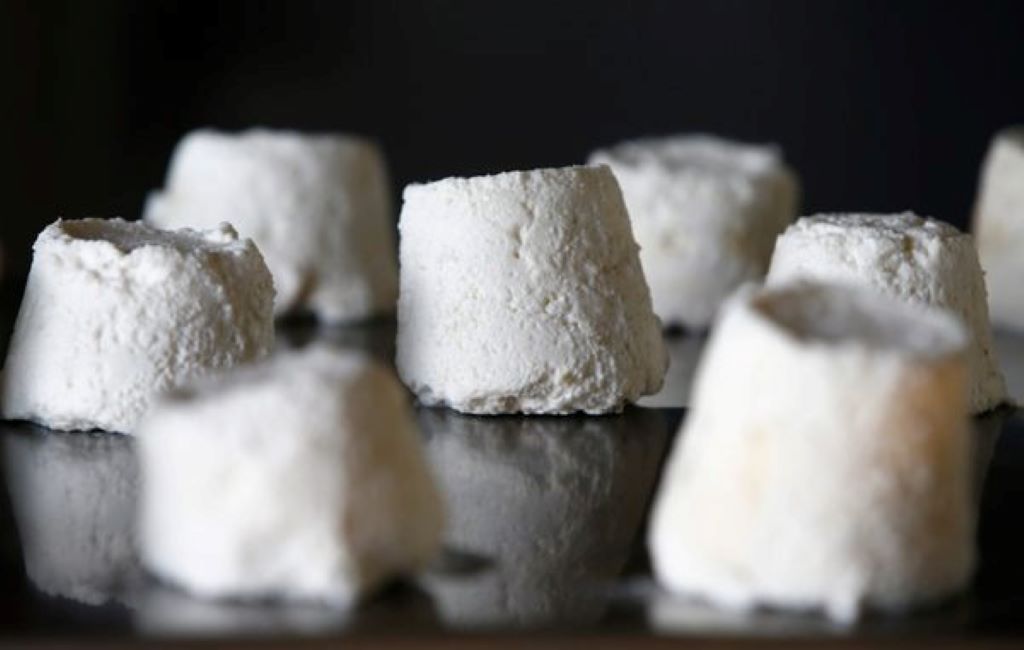
Before you even taste it, Pule makes its presence known. The cheese itself is white, dense, and somewhat crumbly, similar in appearance to a Spanish Manchego or a firm Feta. When you bring it to your nose, you will not find the pungent “barnyard” aroma associated with many artisanal cheeses. The aroma is surprisingly mild, clean, and faintly sweet. There is a subtle earthiness, a hint of the wild grasses and herbs that the donkeys graze on in the Zasavica reserve. This lack of a strong, overpowering smell is the first clue that Pule is a cheese of subtlety.
Its texture is a key part of the experience. It is firm and can be grated, but when you bite into it, it is intensely rich and dissolves on the palate in a way that is both creamy and crumbly. This unique mouthfeel is a direct result of the milk’s composition.
The Taste: Sweet, Nutty, and Deep
When Pule first hits your tongue, the most surprising note is a distinct, gentle sweetness. Donkey milk is naturally very high in lactose (milk sugar), much more so than cow’s milk. This sweetness is not sugary or artificial; rather, it is a foundational note that balances the other flavors.
Following this sweetness is a deep, rich, nutty character. This is not the sharp nuttiness of an aged cheddar but a softer, warmer flavor, reminiscent of roasted almonds or cashews. This richness is profound, coating the mouth with a luxurious flavor that is incredibly satisfying. Unlike high-fat sheep cheeses that can feel heavy or oily, Pule’s richness feels clean. This is because donkey milk is actually very low in fat. The richness comes from its complex proteins and unique structure.
As the flavor develops, you may notice subtle hints of the Serbian terroir. Faint floral notes and a whisper of herbs emerge, painting a picture of the pristine environment where the donkeys live. The finish is perhaps the most remarkable part. It is exceptionally clean and long-lasting, with that gentle, nutty sweetness lingering on the palate, inviting you to take another bite. It does not leave a sharp or acidic aftertaste.
Is it Salty?
Pule is a brined cheese, so it does have a noticeable saltiness. However, this salt is perfectly balanced. It serves to amplify the other flavors—the sweetness and the nuttiness—rather than overpowering them. It is less salty than a Feta and more in line with a well-balanced Pecorino, but without the piquant bite. The salt cuts through the richness, keeping the cheese from feeling too heavy and making it surprisingly refreshing.
Comparing Pule to Other Cheeses
To truly understand what Pule tastes like, it helps to know what it doesn’t taste like. We often use other cheeses as a reference, but Pule stubbornly defies these comparisons.
Pule vs. Goat Cheese (Chèvre)
Many people assume that an exotic milk will produce a “gamey” flavor. Goat cheese, for example, is famous for its distinct tang, which comes from capric acid. Pule has none of this. It is the complete opposite of gamey. Its flavor is mellow, rounded, and smooth, lacking the sharp, acidic bite that defines most chèvre.
Pule vs. Sheep’s Milk Cheese (Manchego or Pecorino)
This is a closer comparison, but still inaccurate. Cheeses like Spanish Manchego or Italian Pecorino are also nutty and rich, and they can have a similar crumbly texture when aged. However, these sheep’s milk cheeses get their richness from a very high fat content. This often leaves a buttery or sometimes “lanolin” (waxy or wool-like) aftertaste. Pule, being low in fat, has a richness that feels lighter and a finish that is significantly cleaner. The sweetness of Pule is also far more pronounced than in any sheep’s milk cheese.
Pule vs. Cow’s Milk Cheese (Parmigiano-Reggiano)
An aged Parmesan is famously nutty, salty, and crumbly. But it also has a sharp, piquant, umami-rich flavor from its long aging process. Pule shares the crumbly texture and nutty notes, but it lacks the sharp bite entirely. It is a much gentler, sweeter, and more mellow cheese.
In short, Pule exists in its own category. It takes the best qualities from other milks—the richness of sheep’s milk, the clean profile of cow’s milk, and a sweetness all its own—to create something entirely new.
How to Best Experience the Taste of Pule
Given its rarity and astronomical price, Pule is not a cheese for cooking. You would never melt it on a pizza or stir it into pasta. Doing so would destroy the subtle, complex flavors that make it so special. Pule is a “tasting cheese,” meant to be savored on its own.
To enjoy it properly, the cheese should be served at room temperature. This allows all the subtle aromatic compounds and flavors to express themselves fully.
Pairing Pule Cheese
When pairing Pule, the goal is to choose accompaniments that highlight the cheese without overwhelming it.
- Bread and Crackers: Serve it with a very simple, high-quality crusty bread or a plain, unsalted cracker. You want a neutral vehicle to deliver the cheese.
- Fruits: Fresh, sweet fruits are an excellent companion. Sliced fresh figs, green grapes, or ripe pears complement Pule’s nutty sweetness beautifully.
- Honey and Jams: A very light drizzle of a delicate honey, like acacia, can enhance its sweet notes. However, a strong, dark honey like buckwheat would be too much. A mild fig jam could also work, but simplicity is key.
- Wine: Pule’s delicate nature calls for a delicate wine. A powerful, oaky Chardonnay or a heavy Cabernet Sauvignon would completely bulldoze its flavor. Instead, opt for a crisp, dry white wine with good minerality, such as a Sauvignon Blanc or an unoaked Pinot Grigio. A light-bodied, low-tannin red, like a Gamay, could also work. A dry sparkling wine would also be a fantastic choice, as the bubbles would cleanse the palate between bites.
The Verdict: A Taste of Rarity
So, what does pule cheese taste like? It tastes like nothing else on Earth. It is the essence of a rare milk, transformed by a traditional process into something that is simultaneously rich and light, sweet and salty, nutty and clean. It is a complex, mellow, and deeply satisfying flavor that whispers rather than shouts.
Tasting Pule is less about a flavor explosion and more about a subtle, sophisticated experience. You are tasting the wild fields of Serbia, the dedication of the conservationists at Zasavica, and the unique biological properties of Balkan donkey milk. It is a true luxury, defined not by aggressive flavor but by its profound rarity and delicate, unforgettable character.
Frequently Asked Questions About Pule Cheese
-
Why is Pule cheese the most expensive in the world?
Pule’s price is due to its extreme rarity and labor-intensive production. It is made from the milk of Balkan donkeys, which produce very little milk (less than a liter per day). They must be milked by hand, and it takes over 25 liters (about 6.6 gallons) of milk to make just one kilogram (2.2 pounds) of cheese.
-
Where can I buy Pule cheese?
Pule is not commercially available in most stores. It is produced in very small quantities at the Zasavica Special Nature Reserve in Serbia. Occasionally, it is sold at high-end food auctions or can be purchased directly from the reserve, but its availability is extremely limited.
-
What is Pule cheese made of?
Authentic Pule is made from 60% Balkan donkey milk and 40% goat’s milk. This recipe is a closely guarded secret. The goat’s milk is necessary to provide the specific enzymes and caseins needed for the milk to coagulate and form curds, as donkey milk is difficult to make into cheese on its own.
-
Does Pule cheese smell strong?
No, Pule cheese does not have a strong or pungent smell. Its aroma is very mild, clean, and slightly sweet. It does not have the “gamey” or “barnyard” notes associated with many goat or sheep cheeses.
-
Can you cook with Pule cheese?
It is strongly advised not to cook with Pule. Its flavor is incredibly delicate and subtle, and its price is very high. Heat would destroy its complex flavor profile. It is best enjoyed raw, at room temperature, with simple pairings.
Related Topics:
Mastering the Art of Cooking Maccheroni: A Comprehensive Guide
Mastering the Art of Boiling Button Mushrooms: A Comprehensive Guide