
A good night’s sleep is not just about how long you sleep. It is about how well you sleep. Many people wake up with aching hips, sore knees, or a stiff lower back without understanding why. In most cases, poor sleeping posture is the hidden cause. An orthopedic leg spacer pillow is a simple, affordable solution that can make a dramatic difference. However, with so many options on the market in 2026, choosing the right one takes a little knowledge. This guide gives you everything you need to make the best choice.
What Is an Orthopedic Leg Spacer Pillow?
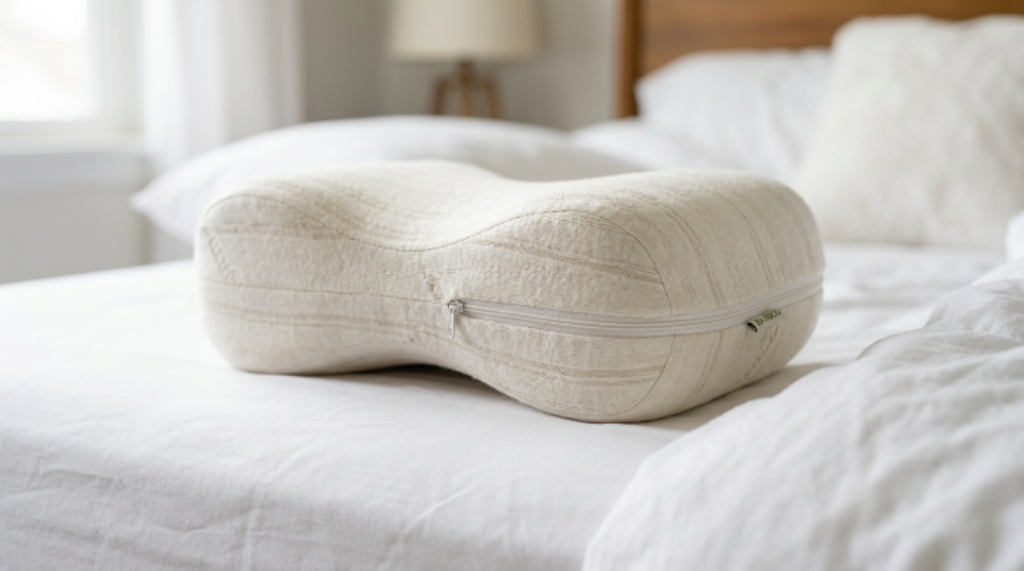
An orthopedic leg spacer pillow is a specially shaped cushion designed to be placed between or beneath your legs while you sleep. Unlike a regular pillow, it holds a firm, consistent shape throughout the night. It keeps your hips, knees, and spine in natural alignment. This reduces the pressure that builds up when your joints are stacked unevenly during sleep.
These pillows come in several shapes. The most common are the hourglass shape, the wedge shape, and the cylindrical roll. Each design serves a slightly different purpose. Therefore, the best choice depends on your sleeping position and your specific discomfort.
Why Sleep Posture Deserves More Attention
Most people underestimate the impact of sleep position on overall health. You spend roughly a third of your life in bed. During that time, your body either recovers well or accumulates tension, depending on how it is supported.
Side sleepers often experience hip and knee pain because their top leg drops forward, twisting the lower spine. Back sleepers can develop lower back pressure when their legs lie flat without support. In both cases, a leg spacer pillow corrects the angle and takes the strain off vulnerable joints. This is where posture correction sleep habits begin — not with expensive mattresses, but with simple, targeted support.
Additionally, poor posture during sleep has been linked to reduced circulation, numbness in the legs, and even restless sleep cycles. Addressing it early prevents these problems from becoming chronic.
Who Benefits Most from a Leg Spacer Pillow?
Almost anyone can benefit from better leg support at night. However, certain groups notice the most dramatic improvement:
- Pregnant women who need to relieve hip pressure and improve circulation
- People recovering from knee, hip, or back surgery
- Individuals with arthritis or sciatica
- Athletes who need faster muscle recovery overnight
- Office workers who sit for long hours and carry tension in their hips
If you fall into any of these categories, a leg spacer pillow is not just a comfort item. It is a recovery tool.
The Role of Memory Foam in Sleep Support
The material inside a leg spacer pillow matters enormously. A memory foam knee pillow is widely considered the gold standard for this type of product. Memory foam contours to the exact shape of your legs and distributes weight evenly. It responds to body heat, softening just enough to cradle your joints without collapsing under pressure.
Unlike polyester fiber fill, which compresses quickly and loses shape overnight, memory foam holds its structure for hours. This means your legs stay supported from the moment you fall asleep to the moment you wake up. Additionally, high-density memory foam tends to last much longer than cheaper alternatives, making it a better long-term investment.
When shopping, look for a density rating of at least 40 to 60 kilograms per cubic meter. This range provides the right balance between firmness and comfort.
Key Features to Look for When Choosing a Leg Spacer Pillow
Not all orthopedic pillows are built the same. Here are the most important features to evaluate before making a purchase.
Shape and Design
The hourglass shape is the most popular for side sleepers. It fits snugly between the knees and prevents the legs from sliding apart during the night. Wedge-shaped pillows work well for back sleepers who need to elevate their legs slightly to reduce lower back pressure. Cylindrical bolster pillows are great for propping under the knees or ankles.
Think about your primary sleeping position and choose accordingly.
Size and Thickness
A pillow that is too thin will not keep your hips level. One that is too thick will push your top knee too high, creating a new source of strain. Most adults do well with a pillow that is roughly 15 to 20 centimeters thick at its widest point. However, larger-framed individuals may need a slightly thicker option.
Cover Material and Washability
You will use this pillow every night. Therefore, the cover must be easy to clean. Look for a removable, machine-washable cover. Bamboo-derived fabric is a popular choice because it is soft, breathable, and naturally resistant to moisture. A breathable cover also prevents overheating, which is a common complaint with memory foam products.
Firmness Level
Firmness is personal. If you are a lighter sleeper with mild discomfort, a medium-soft pillow may feel perfect. If you have significant joint pain or are recovering from surgery, a firmer pillow offers more controlled support. Many brands now offer two-in-one designs with a softer outer layer over a firmer core, giving you the best of both worlds.
Certifications and Safety Standards
Always check for safety certifications. Look for CertiPUR-US certified foam, which confirms the material is free from harmful chemicals. This is especially important if you have sensitive skin or allergies.
How to Use a Leg Spacer Pillow Correctly
Buying the right pillow is only half the work. Using it correctly is equally important.
For side sleepers, place the pillow between your knees, not your ankles. This keeps your hips square and your lower spine in a neutral position. Hug a regular pillow in front of you for upper body support if needed.
For back sleepers, slide the pillow under your knees rather than between them. This slight elevation reduces the curve in your lower back and takes pressure off the lumbar spine.
Give yourself at least two weeks to adjust. Changing your sleep posture feels unfamiliar at first. However, most people notice reduced stiffness and better sleep quality within the first week.
Joint Pain Relief and Long-Term Benefits
One of the most immediate benefits people report is joint pain relief. When your legs are properly aligned, pressure on the cartilage and soft tissue around your knees and hips decreases significantly. Over time, this leads to less morning stiffness, improved mobility, and better overall comfort.
For people managing arthritis or recovering from joint replacement surgery, this kind of support is especially valuable. It allows the body to heal without fighting unnecessary strain overnight.
Furthermore, better sleep posture improves your overall sleep quality. When your body is comfortable and not fighting tension, you move through sleep cycles more smoothly. You wake up feeling more rested, and your energy levels throughout the day reflect that improvement.
Common Mistakes to Avoid When Buying a Leg Spacer Pillow
Many first-time buyers make avoidable mistakes. Here are a few to watch out for.
Choosing purely by price is one of the biggest errors. Very cheap pillows often use low-density foam that flattens quickly. They feel comfortable in the store but lose their shape within weeks.
Ignoring size is another common mistake. A pillow designed for a petite frame will not serve a taller or larger person effectively. Check the product dimensions before ordering, especially if you are shopping online.
Finally, do not overlook the return policy. Even the best-reviewed pillow might not suit your body. A 30-day trial period gives you time to genuinely assess whether the pillow is working for you.
Conclusion
Choosing the right orthopedic leg spacer pillow is a straightforward process once you know what to look for. Start with the right shape for your sleeping position. Prioritize a memory foam knee pillow for lasting support and consistent firmness. Check that the cover is breathable and washable. Verify safety certifications, and make sure the size suits your body.
Better sleep posture does not happen by accident. It is built through small, intentional choices — and the pillow between your legs is one of the most impactful. Whether your goal is posture correction sleep improvement, joint pain relief, or simply waking up without stiffness, the right leg spacer pillow can transform your nights and your mornings.
Invest in proper support tonight. Your spine, hips, and knees will thank you tomorrow.
Frequently Asked Questions
Can I use a leg spacer pillow if I switch sleeping positions during the night?
Yes. Many people naturally shift positions while asleep. An hourglass-shaped pillow tends to stay in place better than others because the contoured design holds it between the knees. If you move frequently, look for a pillow with a leg strap or wrap to keep it secure throughout the night.
How long does a memory foam leg pillow typically last?
A high-quality memory foam knee pillow generally lasts between two and five years with regular use. Lower-density foam will compress and lose its shape faster. Storing the pillow flat and washing the cover regularly helps extend its lifespan.
Is a leg spacer pillow safe to use after knee surgery?
In most cases, yes. However, always consult your surgeon or physical therapist before introducing any new support device after surgery. They can advise on the ideal placement and firmness level based on your specific recovery plan.
Can a leg spacer pillow help with sciatica pain?
Yes. Sciatica often flares at night when the spine is misaligned. Placing a leg spacer pillow between the knees while sleeping on your side keeps the pelvis level and reduces the tension on the sciatic nerve. Many sciatica sufferers report noticeable relief within just a few nights.
Do leg spacer pillows work for back sleepers?
Absolutely. Back sleepers benefit from placing the pillow under the knees rather than between them. This gentle elevation reduces lumbar pressure and encourages a more neutral spine position, which is especially helpful for people with lower back pain or herniated discs.
Related Topics:
How to Choose the Best Children’s Pillow for Healthy Sleep
How to Buy King Bedroom Sets on Clearance and Save Big