
A timeless blend of elegance and comfort, the neoclassical interior design niche offers a sophisticated aesthetic that seamlessly merges classic elements with contemporary sensibilities. This style draws inspiration from the grandeur of ancient Greece and Rome, incorporating clean lines, symmetrical proportions, and a sense of order and balance modern meets traditional . In this comprehensive guide, we’ll delve into the intricacies of neoclassical design, exploring its defining characteristics, pros and cons, real-world applications, and answers to frequently asked questions.
Unveiling the Essence of Neoclassical Interior Design
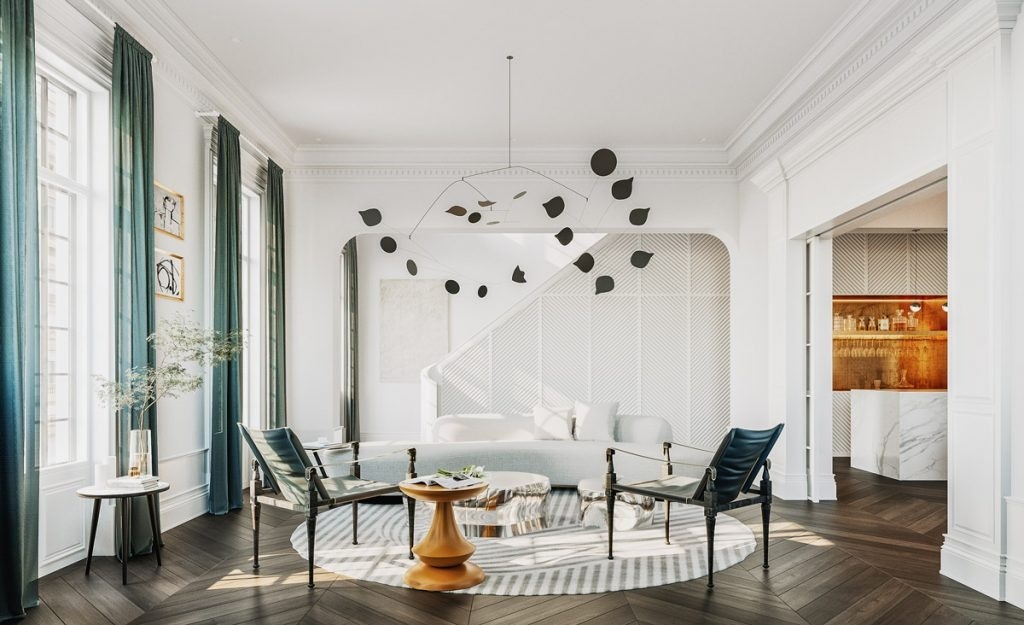
Neoclassicism emerged in the 18th century as a reaction against the excesses of the Rococo and Baroque periods. It sought to revive the ideals of classical antiquity, emphasizing clarity, restraint, and harmony. This design philosophy translates into interiors that exude a sense of timeless elegance and refined sophistication.
Key elements of neoclassical design include:
- Symmetry and Balance: A hallmark of neoclassicism is the emphasis on symmetrical arrangements and balanced proportions. Furniture placement, architectural details, and decorative elements are carefully orchestrated to create a sense of visual harmony.
- Clean Lines and Geometric Forms: Neoclassical interiors favor clean, straight lines and geometric shapes, lending a sense of order and structure to the space. This is evident in the design of furniture, architectural moldings, and decorative motifs.
- Neutral Color Palettes: Soft, muted tones such as white, cream, beige, and gray form the foundation of neoclassical color schemes. These neutral hues create a serene and calming backdrop for the furnishings and artwork.
- Natural Materials: High-quality natural materials such as marble, wood, and stone are prominently featured in neoclassical interiors. These materials add a touch of luxury and timelessness to the space.
- Classical Motifs and Ornamentation: Subtle references to classical antiquity are incorporated through the use of decorative motifs such as Greek key patterns, laurel wreaths, and acanthus leaves. These motifs are often found on textiles, wallpaper, and architectural details.
Pros and Cons of Embracing Neoclassical Design
Neoclassical design offers a range of advantages and disadvantages to consider before incorporating it into your home:
Pros:
- Timeless Elegance: Neoclassical interiors possess a timeless quality that transcends fleeting trends. This ensures that your home will remain stylish and sophisticated for years to come.
- Versatile Aesthetic: Neoclassicism can be adapted to suit a variety of spaces and personal preferences. It can be interpreted in a formal and grand manner or in a more relaxed and casual way.
- Sense of Calm and Order: The emphasis on symmetry, balance, and clean lines creates a sense of calm and order in neoclassical interiors. This can be particularly appealing in today’s fast-paced world.
- High-Quality Materials: The use of natural materials such as marble, wood, and stone ensures that neoclassical interiors are not only beautiful but also durable and long-lasting.
Cons:
- Potential for Formality: Neoclassical design can sometimes feel overly formal or traditional, especially if not executed thoughtfully. It’s important to strike a balance between classicism and contemporary comfort.
- Cost Considerations: The use of high-quality materials and craftsmanship can make neoclassical design an expensive undertaking. However, there are ways to achieve the look on a budget by incorporating affordable alternatives and vintage finds.
- Maintenance Requirements: Natural materials such as marble and wood may require regular maintenance to keep them looking their best. This is something to consider if you prefer a low-maintenance lifestyle.
Neoclassical Design in Real-World Settings
Neoclassical design can be applied to a variety of spaces, from grand estates to cozy apartments. Here are a few examples of how this style can be adapted to different settings:
- Living Rooms: A neoclassical living room typically features a symmetrical arrangement of furniture, a neutral color palette, and subtle classical motifs. A fireplace with a marble mantelpiece and a large area rug with a geometric pattern can add to the sense of grandeur.
- Bedrooms: Neoclassical bedrooms exude an air of tranquility and sophistication. A four-poster bed with a canopy, a chaise lounge upholstered in luxurious fabric, and a dressing table with ornate details can create a serene and inviting retreat.
- Dining Rooms: A neoclassical dining room is perfect for hosting elegant dinner parties. A long, rectangular dining table with matching chairs, a crystal chandelier, and a sideboard with mirrored doors can create a sense of occasion.
- Kitchens: Neoclassical kitchens combine classic elegance with modern functionality. White cabinets with shaker doors, marble countertops, and a farmhouse sink can create a timeless and inviting space.
- Bathrooms: Neoclassical bathrooms are characterized by their use of natural materials such as marble and stone. A freestanding bathtub with claw feet, a pedestal sink, and a large mirror with an ornate frame can create a spa-like atmosphere.
Read More Also: Perfectly Cooked Penne Every Time: A Guide to Boiling Time and Beyond
Reviews and Testimonials
Here’s what some homeowners and designers have to say about neoclassical interior design:
- “I’ve always been drawn to the timeless elegance of neoclassical design. It’s a style that never goes out of fashion and always looks sophisticated.” – Emily R., Homeowner
- “Neoclassicism offers a wonderful balance between classicism and contemporary comfort. It’s a style that can be adapted to suit a variety of tastes and lifestyles.” – John S., Interior Designer
- “I love the sense of calm and order that neoclassical design brings to a space. It’s the perfect antidote to the chaos of modern life.” – Sarah P., Homeowner
Read More Also: Mastering the Art of Boiling Lamb: A Comprehensive Guide
Frequently Asked Questions about Neoclassical Design
Q: How is neoclassical design different from classical design?
A: While both styles draw inspiration from ancient Greece and Rome, neoclassicism is a more refined and restrained interpretation of classicism. It emerged in the 18th century as a reaction against the excesses of the Rococo and Baroque periods.
Q: Is neoclassical design still relevant today?
A: Absolutely! Neoclassical design is a timeless style that continues to be popular today. Its emphasis on symmetry, balance, and clean lines creates a sense of calm and order that is particularly appealing in today’s fast-paced world.
Q: How can I incorporate neoclassical design into my home on a budget?
A: There are several ways to achieve the neoclassical look without breaking the bank. Consider incorporating affordable alternatives such as faux marble countertops and vintage furniture finds. You can also focus on adding neoclassical touches through accessories such as lamps, artwork, and textiles.
Q: What are some common mistakes to avoid when decorating in the neoclassical style?
A: One common mistake is to overdo the classical motifs and ornamentation. Remember that neoclassicism is all about restraint and balance. Another mistake is to create a space that feels overly formal or stuffy. Be sure to incorporate comfortable furnishings and personal touches to make the space feel inviting.
Q: Where can I find inspiration for neoclassical interior design?
A: There are many resources available to help you find inspiration for neoclassical design. Browse interior design magazines and websites, visit museums and historic homes, and explore online image galleries.
In conclusion,
neoclassical interior design offers a timeless and elegant aesthetic that seamlessly blends classic elements with contemporary sensibilities. By understanding the key principles of this style and considering the pros and cons, you can create a space that exudes sophistication, comfort, and enduring appeal.
Read More:
How to Renovate a House While Living in It
Zero Clearance Fireplace vs. Masonry
Fractal Pattern Paint Accent Walls