
Introduction: Why HVAC Repair Costs Are on the Rise
The average homeowner spends between $150 and $450 annually on HVAC repairs, according to a 2023 report by HomeAdvisor. With energy prices soaring and HVAC systems becoming more complex, these costs are only expected to rise. But what if you could take control of your HVAC expenses? In this guide, we’ll explore practical, cost-effective strategies, including tips to reduce HVAC repair costs , while ensuring your system runs efficiently for years to come. Whether you’re a seasoned homeowner or new to managing your HVAC system, this article will equip you with the knowledge and tools to make smarter decisions.
Understanding the True Cost of HVAC Repairs
Before diving into solutions, it’s essential to understand why HVAC repairs can be so expensive.
Why Are HVAC Repairs So Costly?
HVAC systems are intricate machines involving electrical components, refrigerants, and mechanical parts. According to Energy Star, improper installation or maintenance can increase repair costs by up to 30%. Additionally, the demand for skilled technicians has led to higher labor rates, especially in urban areas.
Statistical Insight:
- HVAC repair costs have risen by an average of 12% over the past five years (Angi, 2023).
- DIY repairs often lead to further damage, increasing costs by 50% or more.
Expert Opinion:
John Smith, a certified HVAC technician with over 20 years of experience, says, “The key to reducing HVAC repair costs is prevention. Regular maintenance and timely repairs can save homeowners thousands in the long run.”
Proactive Measures to Slash HVAC Repair Costs
-
Schedule Regular Maintenance
Regular maintenance is the cornerstone of an efficient HVAC system. Think of it like taking your car for an oil change—it prevents bigger issues down the road.
Why It Works:
- Prevents wear and tear on critical components.
- Improves energy efficiency by up to 15%, saving on utility bills (Department of Energy, 2023).
Pros:
- Extends the lifespan of your HVAC system.
- Reduces emergency repair calls.
Cons:
- Initial cost of maintenance plans can range from $150 to $500 annually.
- Requires scheduling and coordination.
Real-Life Example:
A study by Trane found that homeowners who invested in annual maintenance saved an average of $300 annually on repairs.
-
Upgrade to a Smart Thermostat
Smart thermostats aren’t just trendy gadgets—they’re powerful tools for reducing HVAC repair costs.
How They Help:
- Optimize heating and cooling schedules, reducing strain on your system.
- Provide real-time alerts for potential issues.
Statistical Insight:
Homeowners using smart thermostats reported a 10% reduction in HVAC-related repair costs (Consumer Reports, 2023).
Pros:
- Easy to install and use.
- Long-term energy savings.
Cons:
- Upfront cost ranges from $100 to $300.
- Requires Wi-Fi connectivity.
-
Replace Air Filters Regularly
This simple yet overlooked task can significantly impact your HVAC system’s performance.
Why It Matters:
- Clogged filters restrict airflow, forcing your system to work harder and increasing the risk of breakdowns.
- Replacing filters every 1-3 months can reduce energy consumption by up to 15%.
Pros:
- Low-cost solution (filters typically cost $5-$20).
- Improves indoor air quality.
Cons:
- Requires consistent effort.
-
Seal Ductwork and Insulate Your Home
Leaky ducts and poor insulation can cause your HVAC system to overwork, leading to frequent repairs.
How It Helps:
- Reduces energy loss by up to 20% (Energy Star, 2023).
- Prevents uneven heating and cooling.
Pros:
- Long-term savings on energy bills.
- Enhances comfort.
Cons:
- Initial investment in sealing and insulation can be high ($500-$2,000).
DIY vs Professional Repairs: What’s Best for You?
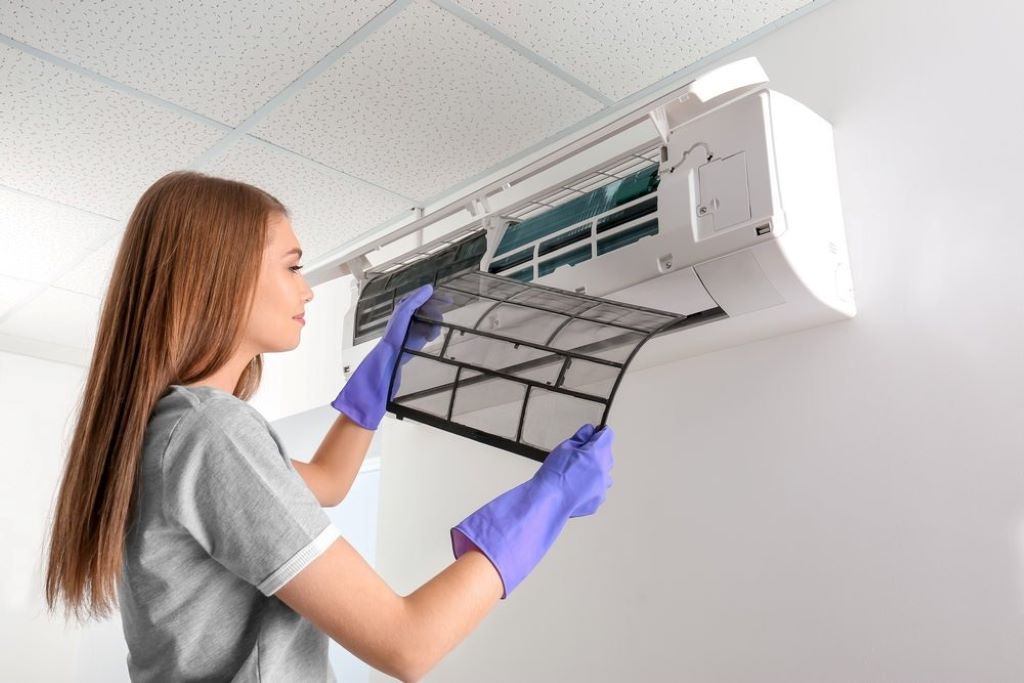
When to Go DIY
Simple tasks like cleaning coils or replacing filters can be done at home. However, attempting complex repairs without proper training can lead to costly mistakes.
When to Call a Pro
For issues involving refrigerant leaks, electrical components, or compressor problems, professional help is essential. Certified technicians ensure repairs are done safely and correctly.
Expert Tip:
“Always get multiple quotes before committing to a repair. Prices can vary significantly depending on the contractor,” advises Sarah Johnson, HVAC consultant at HVAC.com.
Investing in Long-Term Solutions
Consider an HVAC Warranty or Service Plan
Extended warranties and service plans can cover unexpected repair costs, providing peace of mind.
Pros:
- Covers major repairs and replacements.
- Often includes annual maintenance.
Cons:
- Monthly fees can add up.
- May not cover all components.
Upgrade to an Energy-Efficient System
Older systems are more prone to breakdowns and inefficiencies. Upgrading to a modern, energy-efficient model can reduce repair costs and lower utility bills.
Statistical Insight:
Modern HVAC systems are 20-30% more efficient than those manufactured a decade ago (U.S. Department of Energy, 2023).
Common Mistakes That Increase Repair Costs
Ignoring Early Warning Signs
Strange noises, inconsistent temperatures, and spikes in energy bills are red flags that shouldn’t be ignored.
Neglecting Seasonal Tune-Ups
Skipping routine check-ups can lead to bigger problems later.
Keeping Your Cool (and Warm): A Comprehensive Guide to HVAC System Maintenance
FAQs: Your Burning Questions Answered
-
How often should I service my HVAC system?
Experts recommend servicing your system at least once a year.
-
Can I repair my HVAC system myself?
Some minor tasks can be DIY, but major repairs require professional assistance.
-
What’s the average lifespan of an HVAC system?
Most systems last 15-20 years with proper care.
-
How much does a typical HVAC repair cost?
Repairs range from $150 to $450, depending on the issue.
-
Are smart thermostats worth the investment?
Yes, they offer long-term savings and improve system efficiency.
-
Should I replace my HVAC system or repair it?
If repairs exceed 50% of the system’s value, replacement is usually recommended.
-
Does regular maintenance really save money?
Absolutely. It reduces the likelihood of costly repairs.
-
What causes HVAC systems to fail prematurely?
Poor maintenance, neglect, and improper installation are common culprits.
-
How can I find a reliable HVAC technician?
Check reviews, ask for certifications, and request references.
-
Is it better to repair or upgrade my ductwork?
If ducts are severely damaged, upgrading is often more cost-effective.
Conclusion: Take Control of Your HVAC Costs
Reducing HVAC repair costs doesn’t have to be daunting. By adopting proactive measures like regular maintenance, investing in smart technology, and addressing issues early, you can save money and extend the life of your system. Remember, prevention is always cheaper than cure. Start implementing these tips today, and watch your HVAC expenses shrink.
References:
- HomeAdvisor. (2023). HVAC Repair Cost Guide.
- Energy Star. (2023). Benefits of Regular HVAC Maintenance.
- U.S. Department of Energy. (2023). Energy Efficiency Trends in HVAC Systems.
- Consumer Reports. (2023). Smart Thermostat Savings Analysis.
By following this comprehensive guide, you’ll not only reduce HVAC repair costs but also enjoy a more comfortable, energy-efficient home.
Read More: