
Gnats are tiny, pesky insects that can invade your home, often buzzing around drains and damp areas. If you’re struggling with a gnat infestation, you may be surprised to learn that a drain cleaner can be an effective solution. At Healthy House Plans, we understand the importance of a clean, pest-free home. This article explores how to use a drain cleaner that kills gnats, offering practical steps to eliminate these annoying pests and prevent their return. With simple methods and the right products, you can reclaim your space and enjoy a gnat-free environment.
Why Gnats Are Attracted to Drains
Gnats, especially drain gnats or fruit flies, thrive in moist, organic-rich environments. Drains provide the perfect breeding ground, as they often contain food particles, grease, and standing water. These conditions allow gnats to lay eggs, leading to rapid infestations. Understanding why gnats target drains is the first step in addressing the problem. A drain cleaner that kills gnats can target these breeding sites, breaking the life cycle of gnats and stopping infestations at the source.
Additionally, drains are often overlooked during routine cleaning, allowing organic buildup to accumulate. This buildup not only attracts gnats but also sustains their larvae. By using a drain cleaner, you can remove this debris and make your drains less appealing to gnats. Regular maintenance is key to keeping these pests at bay.
Choosing the Right Drain Cleaner
Not all drain cleaners are effective against gnats. To tackle an infestation, select a drain cleaner that kills gnats and breaks down organic material. Enzymatic or bio-based cleaners are ideal, as they use natural enzymes or bacteria to digest buildup without harsh chemicals. These products are safe for most plumbing systems and environmentally friendly.
Chemical-based drain cleaners, such as those containing bleach or lye, can also work but may pose risks to pipes or health if misused. Always read the label to ensure the product targets organic matter, as this is what gnats feed on. For example, brands like Green Gobbler or Drano offer specialized formulas for clearing drains and eliminating pests. Check reviews on reputable sites like Consumer Reports for guidance on effective products.
Step-by-Step Guide to Using Drain Cleaner for Gnats
Using a drain cleaner to get rid of gnats is straightforward if you follow these steps. This method ensures you target both adult gnats and their larvae, preventing future infestations.
Step 1: Identify Infested Drains
First, determine which drains are attracting gnats. Check kitchen sinks, bathroom drains, and garbage disposals. Look for small flies hovering nearby or crawling inside the drain. If you’re unsure, place a piece of tape over the drain opening (sticky side down) overnight. If gnats are present, they’ll stick to the tape.
Step 2: Clean the Drain Surface
Before applying the drain cleaner, remove visible debris from the drain opening. Use a brush or old toothbrush to scrub around the rim and inside the drain. This removes surface buildup where gnats may gather. Rinse with hot water to loosen any remaining residue.
Step 3: Apply the Drain Cleaner
Follow the instructions on your chosen drain cleaner that kills gnats. For enzymatic cleaners, pour the recommended amount into the drain and let it sit for several hours or overnight. This allows the enzymes to break down organic matter. For chemical cleaners, use sparingly and ensure proper ventilation, as fumes can be strong. Avoid mixing different cleaners, as this can cause dangerous reactions.
Step 4: Flush the Drain
After the cleaner has had time to work, flush the drain with boiling water (if safe for your plumbing) or hot tap water. This removes the cleaner and any dissolved debris. Repeat this process for a few days if gnats persist, as larvae may take time to fully eliminate.
Step 5: Set Traps for Adult Gnats
While the drain cleaner targets larvae, adult gnats may still be present. Create a simple trap using a bowl filled with apple cider vinegar, a drop of dish soap, and plastic wrap with small holes. Place the trap near the drain to capture remaining gnats. This step complements the drain cleaner’s effects.
Preventing Future Gnat Infestations
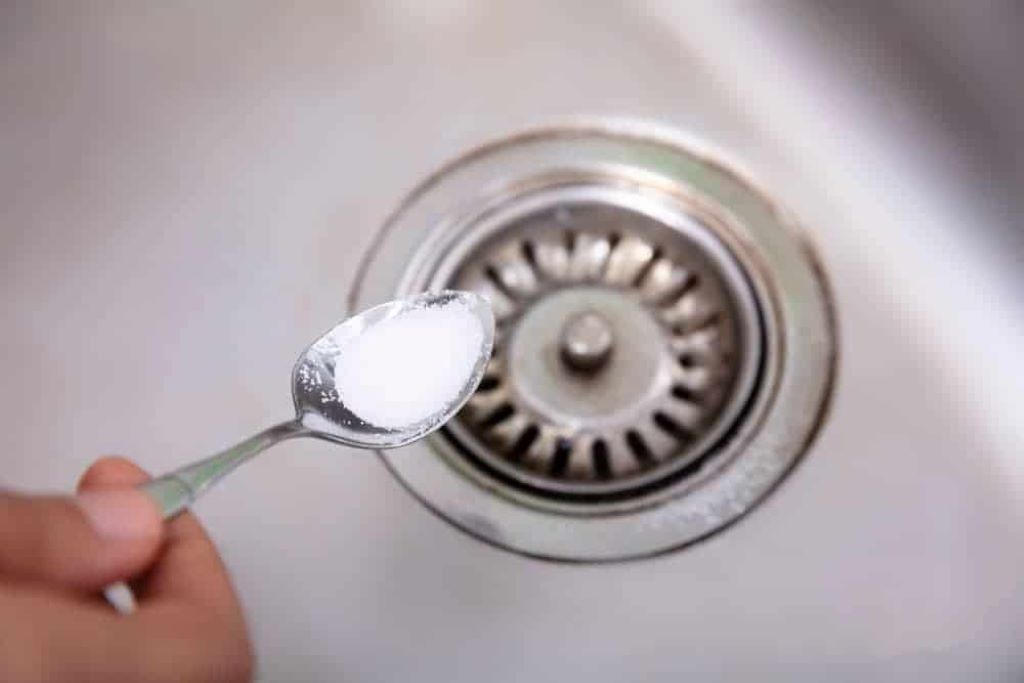
Once you’ve eliminated gnats, prevention is crucial to keep them from returning. Regular drain maintenance is the most effective strategy. Pour a drain cleaner that kills gnats into your drains monthly to prevent organic buildup. Additionally, avoid letting food scraps or grease go down the drain, as these attract gnats.
Keep your kitchen and bathroom dry by wiping down surfaces and fixing leaks promptly. According to Good Housekeeping, maintaining a dry environment significantly reduces pest activity. Covering drains with stoppers when not in use can also deter gnats from entering.
Safety Tips When Using Drain Cleaners
Safety is paramount when using any drain cleaner. Always wear gloves and eye protection, especially with chemical-based products. Keep children and pets away from treated drains until the cleaner is fully flushed. If you’re using an enzymatic cleaner, these precautions may be less critical, but always follow the manufacturer’s guidelines.
Moreover, avoid overuse of chemical cleaners, as they can corrode pipes over time. If you’re unsure about your plumbing system’s compatibility, consult a professional plumber. This ensures you eliminate gnats without damaging your home.
Benefits of Using Drain Cleaners for Gnats
Using a drain cleaner that kills gnats offers several advantages. First, it targets the root cause of infestations by removing breeding sites. Second, it’s a cost-effective solution compared to professional pest control. Finally, many drain cleaners are easy to use, requiring minimal effort to achieve results. By incorporating this method into your home maintenance routine, you can enjoy a cleaner, pest-free environment.
Common Mistakes to Avoid
When using drain cleaners to eliminate gnats, avoid these common pitfalls:
- Using the wrong cleaner: Not all drain cleaners target organic matter, so choose one specifically designed for gnats.
- Skipping regular maintenance: One-time use may not fully eliminate larvae, so repeat treatments as needed.
- Ignoring other attractants: Gnats may also be drawn to overripe fruit or dirty trash cans, so address these areas too.
- Overusing chemical cleaners: Excessive use can harm pipes and create health risks.
By avoiding these mistakes, you’ll maximize the effectiveness of your drain cleaner and keep gnats at bay.
Conclusion
Eliminating gnats from your home is achievable with the right drain cleaner and proper techniques. By targeting the organic buildup in drains, a drain cleaner that kills gnats stops infestations at their source. Follow the steps outlined—identifying infested drains, cleaning thoroughly, applying the right product, and preventing future issues—to maintain a gnat-free home. Regular maintenance and attention to cleanliness are key to long-term success. With these strategies, you can enjoy a pest-free environment and peace of mind.
Frequently Asked Questions
- Can any drain cleaner kill gnats?
Not all drain cleaners are effective against gnats. Choose enzymatic or bio-based cleaners that break down organic matter, as these target gnat breeding sites.
- How long does it take for a drain cleaner to work on gnats?
Enzymatic cleaners may need to sit for several hours or overnight to break down organic material. Repeat treatments over a few days for best results.
- Are chemical drain cleaners safe for all pipes?
Chemical cleaners can corrode certain pipes, like older metal ones. Check your plumbing type and use enzymatic cleaners if you’re unsure.
- Can I prevent gnats without a drain cleaner?
Yes, regular cleaning, hot water flushes, and keeping drains dry can help. However, a drain cleaner is more effective for existing infestations.
- Do drain cleaners eliminate adult gnats?
Drain cleaners target larvae in drains but may not kill adult gnats. Use traps, like vinegar bowls, to capture adults.
Read More:
How to Get Rid of Ants in Kitchen: Proven Solutions