
Maintaining cleanliness in commercial spaces or residential areas requires the right tools and facilities. One crucial element often overlooked is the type of sink used for disposing of mop water. Selecting an appropriate sink not only improves hygiene but also streamlines cleaning processes. But, which type of sink is used for dumping mop water? Let’s dive deep into the options and understand why certain sinks stand out. For detailed insights into sanitation solutions, explore Ideya.
The Importance of the Right Sink for Mop Water Disposal
Proper disposal of mop water isn’t just about convenience; it directly impacts sanitation, safety, and environmental standards. Without the correct facilities, dirty mop water can clog regular sinks, spread contaminants, or create hazardous work environments. This is why dedicated mop sinks are essential in most commercial or janitorial settings.
Mop Sinks: A Necessity in Modern Cleaning
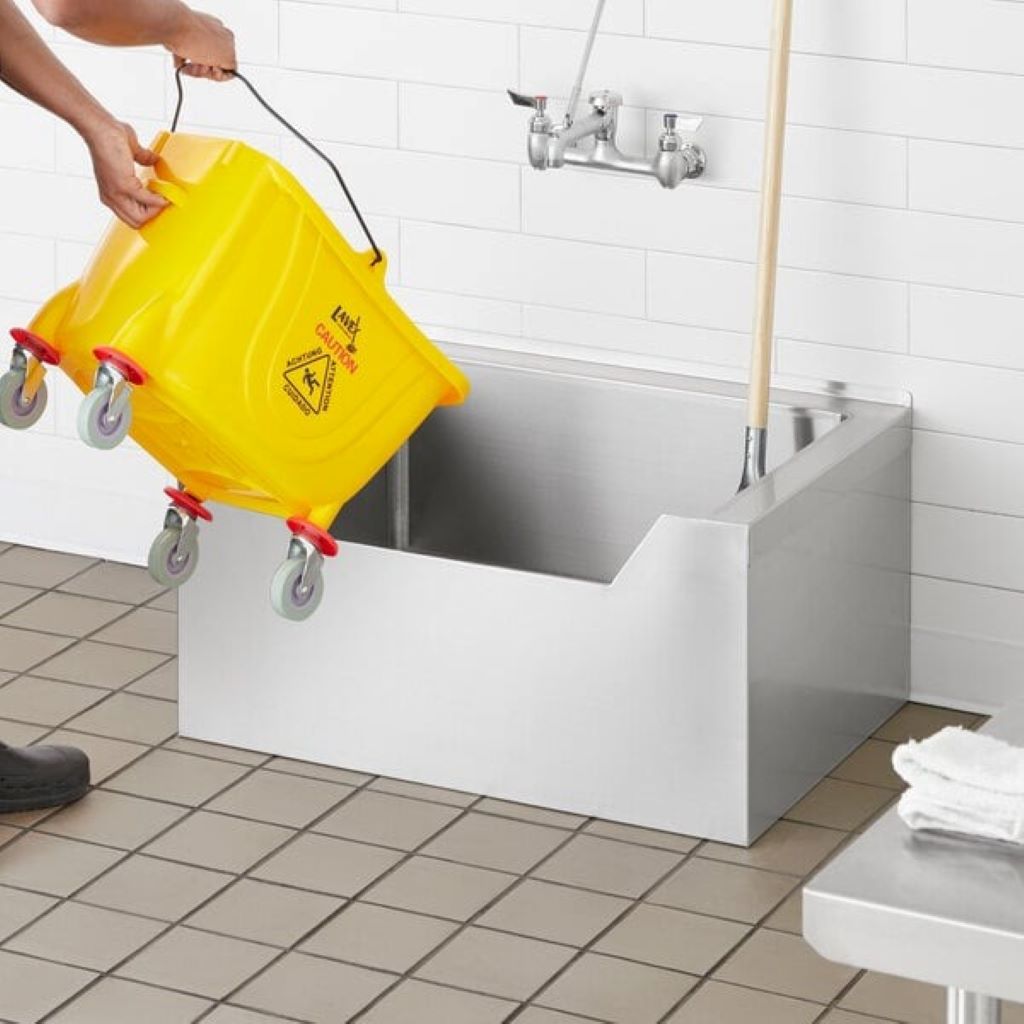
Mop sinks, also referred to as utility or service sinks, are specifically designed to handle the challenges of dumping mop water. These sinks feature low basins, allowing easy pouring and reducing splash-back risks.
- Hygiene Compliance: Using a mop sink ensures separation of cleaning tools from kitchen or bathroom utilities, maintaining sanitation protocols.
- Durability: Most mop sinks are made of heavy-duty materials like stainless steel or high-density polymers that withstand harsh chemicals and frequent use.
- Convenience: The ergonomic design makes emptying mop buckets effortless, preventing strain or accidents.
Key Features of a Mop Sink
Mop sinks come in various designs, but certain features stand out:
- Floor-Mounted or Wall-Hung Designs: These allow easy access for pouring without lifting heavy buckets too high.
- Grates or Strainers: They help prevent debris from clogging the drainage system.
- Splash Guards: These features keep surrounding areas clean during water disposal.
What Materials Are Ideal for Mop Sinks?
The material of the sink plays a pivotal role in its functionality and longevity. Mop sinks endure heavy-duty cleaning chemicals, high temperatures, and constant use, so choosing the right material is crucial.
Stainless Steel Sinks
Stainless steel is a popular choice due to its robustness and resistance to rust. It’s non-porous, making it easy to clean and ideal for environments requiring high hygiene standards.
- Pros: Durable, corrosion-resistant, and aesthetically versatile.
- Cons: Prone to water spots and may dent under heavy impact.
- Use Case: Best for commercial kitchens, janitor closets, and healthcare facilities.
Porcelain Sinks
Porcelain sinks are heavy and highly durable but might chip over time. Their smooth surface is easy to clean, but they require careful handling to avoid damage.
- Pros: Stain-resistant and visually appealing.
- Cons: Vulnerable to chipping and cracking.
- Use Case: Suitable for light-duty cleaning in residential areas.
High-Density Polyethylene (HDPE) Sinks
HDPE sinks are gaining popularity due to their resistance to chemicals and lightweight construction.
- Pros: Cost-effective, impact-resistant, and easy to install.
- Cons: Limited aesthetic appeal and not as durable as metal.
- Use Case: Ideal for temporary or budget-conscious setups.
Can you put a bronze faucet with a stainless steel sink? Absolutely!
Floor-Mounted vs. Wall-Mounted Sinks: Which Works Better?
Floor-Mounted Sinks
Floor-mounted sinks are popular for their stability and ease of use. Their low height allows users to empty mop buckets without excessive lifting.
- Advantages:
- Safe and ergonomic.
- High capacity for large mop buckets.
- Disadvantages:
- Occupies floor space.
- Requires thorough cleaning to avoid dirt accumulation.
Wall-Mounted Sinks
Wall-mounted sinks are perfect for smaller spaces. They’re mounted higher, which makes them more versatile for washing tools.
- Advantages:
- Saves floor space.
- Easy to clean underneath.
- Disadvantages:
- May require lifting heavier buckets.
- Limited capacity.
Installation Considerations for Mop Sinks
Proper installation of a mop sink ensures efficiency and compliance with safety regulations.
Plumbing Requirements
Mop sinks need to be connected to a drain and water supply system. Using a backflow preventer ensures no contamination of potable water sources.
Location Matters
Positioning the sink near storage for cleaning supplies and equipment saves time and improves workflow.
Protecting the Surroundings
Adding splash guards or waterproofing walls can prevent water damage and enhance hygiene.
Why Choose Dedicated Mop Sinks Over Regular Sinks?
Regular sinks aren’t designed to handle mop water disposal. Here’s why mop sinks are superior:
- Size and Capacity: Mop sinks are deeper, accommodating large volumes without overflowing.
- Durability: Regular sinks can’t withstand corrosive cleaning agents or heavy buckets.
- Compliance: Many health and safety standards mandate separate sinks for cleaning purposes.
Perfect Boiling Time for Chickpeas: A Guide to Boiling Time and Beyond
Cost Analysis: Mop Sinks vs. Alternatives
Mop Sinks
- Initial Cost: Higher due to specialized design and materials.
- Maintenance Cost: Low, as they’re built for heavy use.
Alternatives
- Initial Cost: Lower upfront.
- Maintenance Cost: Higher due to frequent clogs and wear.
Investing in a mop sink saves money in the long run by avoiding costly repairs and replacements.
You Might Enjoy: Perfectly Cooked Penne Every Time: A Guide to Boiling Time and Beyond
Conclusion
Choosing the right type of sink for dumping mop water is a critical decision that affects efficiency and hygiene. Mop sinks, with their specialized designs and durable materials, provide an unmatched solution for handling cleaning challenges. Whether you’re setting up a commercial cleaning station or upgrading your current facilities, understanding the options ensures you make an informed choice.