
Plant lovers in Portland, OR value healthy indoor and outdoor greenery because the city supports a strong gardening culture. According to the National Gardening Association, nearly 55% of American households grow plants at home each year. Portland residents also deal with frequent rain and moisture, which often causes algae, mold, and mineral buildup on pots. Therefore, learning safe cleaning methods helps plants stay healthy and attractive for longer periods. Many homeowners also search for tips like how to stop centipedes in indoor potted plants because damp conditions can attract pests. Clean pots reduce disease risks and improve overall plant growth in every season.
Why Cleaning Plant Pots Matters
Dirty plant pots often carry bacteria, fungi, and insect eggs that harm healthy plants. Moisture trapped inside containers can also encourage root rot and mold growth over time. Therefore, regular cleaning protects both indoor and outdoor plants from common problems. Portland’s wet climate makes this maintenance even more important for local gardeners.
Clean containers also improve water drainage and airflow around plant roots. Salt deposits from fertilizers can slowly damage clay or ceramic pots if left untreated. In addition, stained containers make patios and indoor spaces look less appealing. Simple cleaning routines help maintain both plant health and home appearance.
Many Portland gardeners reuse pots every growing season to reduce waste and save money. However, reused pots without proper sanitation may spread disease from one plant to another. For this reason, cleaning should always happen before replanting. Safe methods protect delicate roots without exposing plants to harsh chemicals.
Common Dirt and Stains Found on Plant Pots
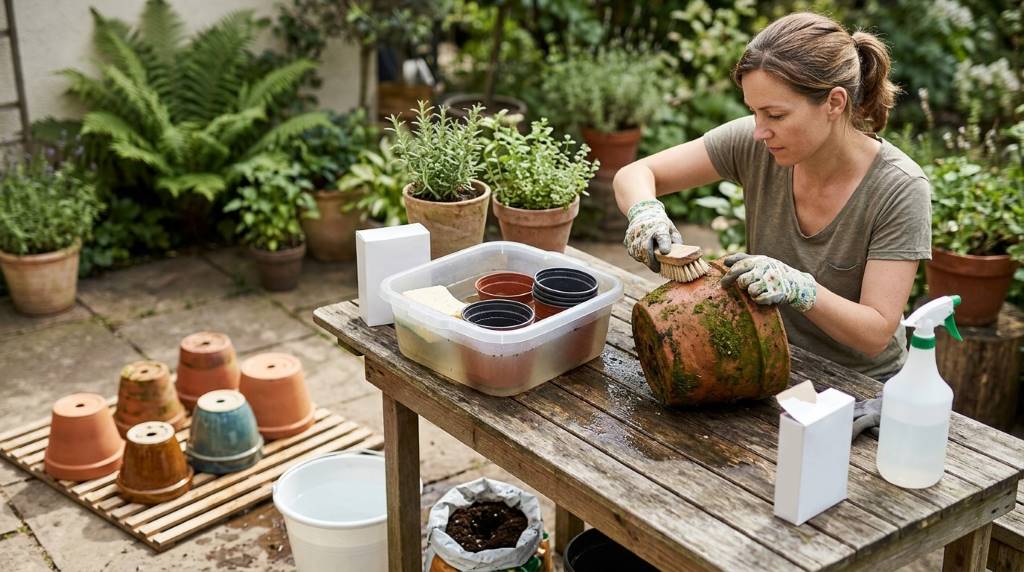
Plant pots collect several types of residue depending on weather and watering habits. Portland’s rainy environment often leaves green algae and white mineral stains on containers. Plastic pots may develop moldy patches after sitting in damp corners for weeks. Clay pots also absorb moisture quickly, which encourages salt buildup.
Indoor containers usually collect dust, fertilizer residue, and water rings near the base. Outdoor pots may attract moss because of constant shade and moisture exposure. In addition, insects sometimes hide beneath dirty saucers or cracked edges. Regular cleaning prevents these small issues from becoming bigger gardening problems.
Terracotta pots often show white crusty marks caused by mineral-rich water and fertilizer salts. Ceramic containers can become slippery because of algae growth after heavy rain. Metal planters may even rust when dirt and moisture stay trapped for too long. Understanding these common problems helps gardeners choose the right cleaning approach.
Safe Cleaning Supplies for Plant Pots
Many Portland gardeners prefer eco-friendly cleaning products because they are safer for plants and the environment. Mild dish soap and warm water work well for most everyday cleaning tasks. White vinegar also removes mineral buildup naturally without damaging surfaces. Baking soda helps scrub stubborn stains while remaining gentle on containers.
Useful supplies for safe cleaning include:
- Soft scrub brushes
- Microfiber cloths
- White vinegar
- Baking soda
- Mild liquid soap
- Spray bottles
- Rubber gloves
Avoid bleach-heavy products whenever possible because they may leave harmful residue behind. Strong chemicals can damage porous materials like terracotta or concrete pots. Instead, natural ingredients offer reliable cleaning power without affecting future plant growth. Portland homeowners often choose these safer methods to support sustainable gardening practices.
How to Clean Plastic Plant Pots
Plastic pots are lightweight and easy to maintain, which makes them popular across Portland homes and apartments. First, remove old soil and rinse loose debris with warm water. Then, mix mild soap with water inside a bucket for gentle cleaning. Use a soft brush to scrub both the inside and outside surfaces carefully.
For stubborn stains, sprinkle baking soda directly onto wet areas before scrubbing again. Vinegar spray also helps remove white mineral deposits from the surface. After cleaning, rinse thoroughly to prevent soap residue from remaining inside the container. Finally, let the pot dry completely before adding fresh soil or plants.
Plastic containers should never stay wet for long periods because trapped moisture encourages mold growth. Therefore, store cleaned pots in dry areas with proper airflow whenever possible. Many Portland gardeners stack clean plastic pots inside garages or covered patios during rainy months. This simple habit extends the lifespan of containers significantly.
Best Methods for Cleaning Terracotta Pots
Terracotta pots remain extremely popular in Portland because they provide excellent airflow for plant roots. However, the porous material absorbs moisture and stains very easily over time. Start by emptying old soil and brushing away loose dirt from all surfaces. Next, soak the pot in warm water mixed with vinegar for about thirty minutes.
The vinegar solution helps dissolve mineral deposits trapped inside the clay material. After soaking, scrub gently using a soft-bristle brush to avoid surface damage. Rinse the pot several times with clean water until no residue remains. Then, allow it to air dry fully before reuse.
Terracotta containers need extra care because moisture trapped inside can weaken the material during cold weather. Portland winters often bring freezing temperatures that may crack damp pots. Therefore, gardeners should dry containers completely before storing them outdoors. Proper cleaning and storage help terracotta pots last for many growing seasons.
Cleaning Ceramic and Decorative Plant Pots
Ceramic plant pots add beauty and color to indoor and outdoor spaces across Portland homes. Their glazed surfaces usually resist stains better than terracotta containers. Even so, algae and water marks still appear after long periods of moisture exposure. Mild soap and warm water often provide enough cleaning power for these decorative containers.
Use a microfiber cloth to wipe delicate surfaces without scratching painted designs or glossy finishes. For tougher spots, apply baking soda paste gently with a soft sponge. Avoid steel wool or rough brushes because they may damage protective coatings. After cleaning, rinse carefully and dry with a soft towel.
Decorative pots placed outside often collect rainwater around their bases during Portland’s wet months. Therefore, checking drainage holes regularly prevents water damage and mold growth. Clean saucers and trays at the same time for better overall hygiene. This routine keeps decorative planters looking fresh throughout the year.
Natural Disinfecting Methods for Reused Pots
Reusing old containers saves money and reduces waste, but sanitation remains extremely important. Harmful bacteria and fungi can survive inside dirty pots even after old soil gets removed. Therefore, disinfecting containers before planting new greenery protects fresh roots from disease. Portland gardeners often prefer natural sanitation methods instead of strong chemicals.
A simple vinegar soak works well for basic disinfection needs in most home gardens. Mix one part vinegar with three parts water before soaking containers for thirty minutes. Hydrogen peroxide also offers gentle disinfecting power without leaving toxic residue behind. After treatment, rinse pots thoroughly and let them dry completely.
Sunlight naturally helps kill certain bacteria and mold spores after cleaning. Therefore, many Portland residents leave washed pots outside during sunny afternoons for additional sanitation. Fresh air and sunlight also remove lingering moisture from porous materials. This extra step supports healthier plant growth during the next planting season.
Preventing Mold and Algae on Plant Pots
Portland’s damp weather creates ideal conditions for mold and algae growth on containers. Therefore, prevention plays a major role in keeping pots clean throughout the year. Proper drainage helps reduce standing water that encourages fungal growth around roots and saucers. Choosing breathable pot materials also improves airflow naturally.
Helpful prevention tips include:
- Empty standing water quickly
- Increase sunlight exposure when possible
- Avoid overwatering plants
- Clean saucers weekly
- Space pots apart for airflow
- Remove dead leaves regularly
Indoor plants near windows sometimes develop algae because of humidity and condensation. Therefore, wiping containers regularly helps stop buildup before it spreads. Outdoor pots benefit from occasional repositioning into sunnier areas after heavy rainfall. These small habits greatly reduce cleaning needs later.
Seasonal Plant Pot Cleaning Tips for Portland Gardeners
Portland experiences rainy winters, mild springs, dry summers, and cool autumn weather throughout the year. Each season creates different cleaning challenges for plant owners. During spring, gardeners often prepare old pots for new flowers and vegetables. Therefore, deep cleaning becomes especially important before replanting begins.
Summer months usually bring mineral deposits because plants require more frequent watering. Regular rinsing prevents white stains from hardening onto container surfaces. In autumn, falling leaves and moisture may clog drainage holes around outdoor planters. Cleaning debris quickly helps maintain healthy drainage before winter rain arrives.
Winter requires extra attention because damp containers may crack during freezing nights. Therefore, many Portland homeowners move delicate pots into covered storage areas. Indoor plants also need occasional cleaning because homes stay closed during colder months. Seasonal maintenance keeps containers functional and attractive throughout the year.
Eco-Friendly Pot Cleaning Habits
Sustainability matters to many Portland residents because the city strongly supports environmentally friendly living. Therefore, eco-conscious gardeners often avoid disposable cleaning products and harsh chemicals. Reusable cloths and biodegradable soap provide safer alternatives for routine maintenance. These small choices reduce waste while protecting nearby soil and water systems.
Rainwater collection systems also help gardeners rinse pots without wasting treated tap water. Composting old soil instead of throwing it away supports healthier gardening practices as well. In addition, natural cleaners like vinegar break down safely after use. Portland households often combine these methods to maintain greener lifestyles.
Reusing plant containers instead of replacing them every season also supports sustainability goals. Well-maintained pots can last for years with proper cleaning and storage. Therefore, simple maintenance habits save money while reducing landfill waste. Eco-friendly gardening practices continue gaining popularity across Portland neighborhoods.
Mistakes to Avoid When Cleaning Plant Pots
Some cleaning mistakes may damage containers or affect plant health later. Using strong bleach solutions too often can weaken certain pot materials over time. In addition, soap residue left inside containers may harm delicate roots after replanting. Thorough rinsing always remains an important final step.
Scrubbing glazed ceramic pots with rough brushes may scratch protective coatings permanently. Terracotta containers also crack easily if exposed to sudden temperature changes during cleaning. Therefore, gardeners should always use lukewarm water instead of extremely hot water. Gentle methods usually deliver the safest long-term results.
Another common mistake involves reusing dirty soil after cleaning the container itself. Old soil may still contain pests, fungus, or harmful bacteria from previous plants. Therefore, replacing soil whenever possible helps protect future growth. Healthy gardening begins with both clean containers and fresh planting materials.
Conclusion
Safe and simple plant pot cleaning methods help Portland gardeners maintain healthier plants and cleaner outdoor spaces year-round. The city’s damp climate makes regular maintenance especially important for preventing mold, algae, and harmful bacteria buildup. Fortunately, natural ingredients like vinegar, baking soda, and mild soap offer effective cleaning without damaging plants or containers. Consistent care also extends the life of terracotta, ceramic, and plastic pots for many growing seasons. Start using these practical cleaning habits today to keep your Portland garden fresh, beautiful, and thriving in every season.
FAQs
How often should I clean plant pots?
You should clean plant pots every few months or before reusing them for new plants.
Is vinegar safe for cleaning plant pots?
Yes, white vinegar safely removes mineral buildup and disinfects most plant containers.
Can dirty pots harm healthy plants?
Yes, dirty pots may spread bacteria, fungus, and pests to healthy plants.
What is the safest cleaner for terracotta pots?
A mixture of warm water and vinegar works safely for most terracotta containers.
Should I clean indoor plant saucers too?
Yes, clean saucers regularly because standing water often causes mold and algae growth.
Related Reads
Read more: How to Use Easy Gardening Tools for a Successful Start
Explore: What to Spray on Grass That Looks Pale
Explore: From Balcony to Bistro: Your Guide to a Thriving Small-Space Vegetable Garden